What is Social Media Marketing? Complete Overview
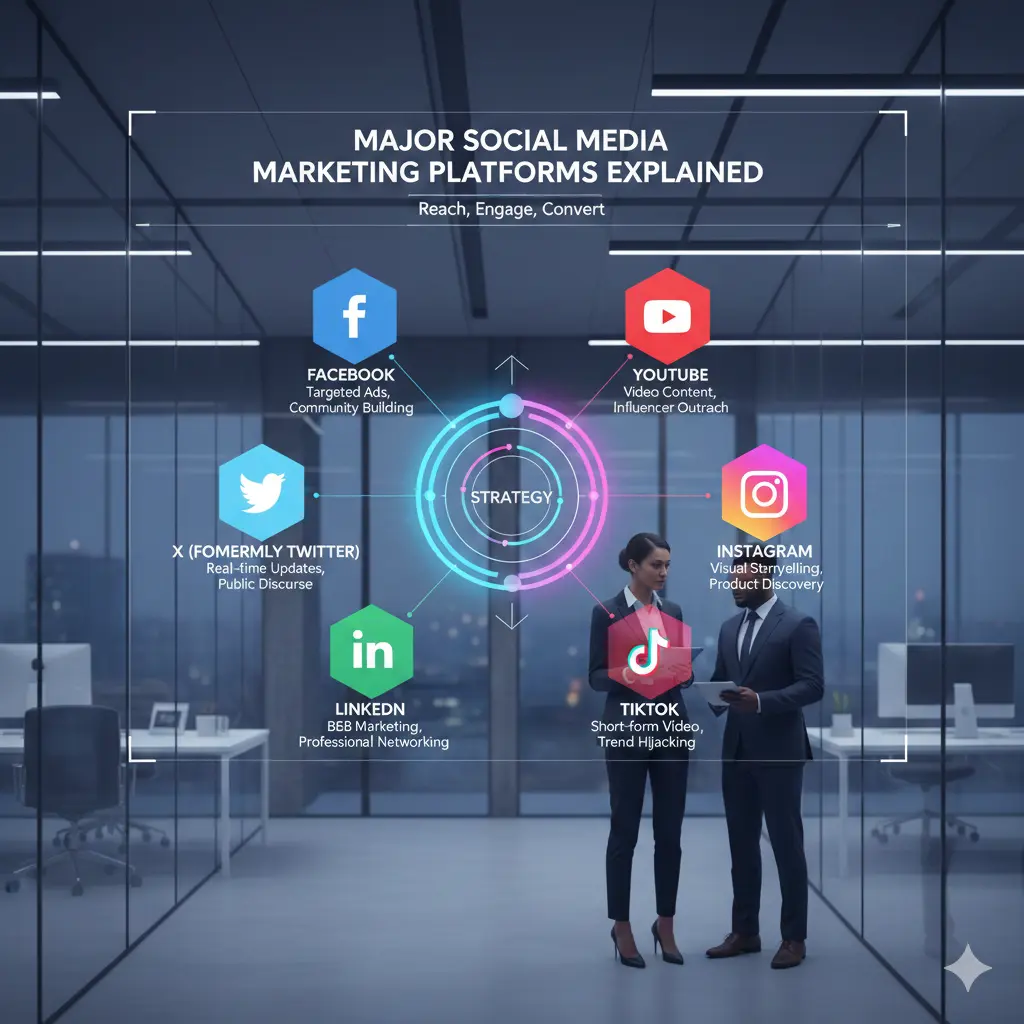
What is Social Media Marketing? Complete Overview for Beginners & Businesses In the rapidly evolving landscape of the 21st century, the way we communicate, consume, and conduct business has shifted fundamentally. At the center of this revolution is a powerful force that has redefined the relationship between brands and consumers. This force is known as social media marketing. For any business looking to survive and thrive today, understanding the nuances of this discipline is no longer an option—it is a necessity. Introduction to Social Media Marketing To the average user, social media is a place to connect with friends, share life updates, or watch entertaining videos. However, for a brand like Social Crafter, these platforms represent a vast, gold-mine of data and opportunity. Social media marketing is the strategic use of these networks to build a brand, increase sales, and drive meaningful website traffic. The power of social media lies in its ubiquity. Imagine a world where billions of people are constantly active on their handheld devices. A massive portion of the global population spends a significant part of their day scrolling through feeds, making these platforms the most influential channels for online brand promotion. Unlike traditional media, where communication is one-way, social media offers a dynamic, two-way dialogue. There is a stark difference, however, between “social media usage” and “social media marketing.” While usage is passive and personal, marketing is a rigorous, data-driven process. It involves deep psychological insights, technical optimization, and a relentless focus on digital brand presence. What is Social Media Marketing? At its most fundamental level, what is social media marketing? It is the process of creating tailored content for each social media platform to drive engagement and promote your business. It is about meeting your target audience in the places where they are already spending their time and interacting with each other. The concept revolves around using social networks as vehicles for brand storytelling. Whether it is a small organic skincare brand like Vanya sharing the purity of its ingredients or a tech giant launching a new product, social media marketing provides the stage. Organic vs. Paid Marketing Organic Social Media: This refers to the free content that businesses post on their feeds. It is designed to nurture a community and build long-term trust. It relies heavily on social media algorithms to determine who sees the content based on relevance and engagement. Paid Social Media: This is the commercial side where businesses pay to display ads to a specific target demographic. Through social media advertising, brands can bypass algorithmic limitations and reach thousands of potential customers instantly. How Social Media Marketing Works To understand the mechanics of social media marketing for business, we must look at it as a multi-step engine. 1. Platform Selection Success in social media marketing starts with choosing the right battleground. You don’t need to be everywhere; you need to be where your customers are. For example: Instagram & Pinterest: Highly visual, perfect for brands like Vanya that focus on elegance and purity. LinkedIn: The hub for B2B networking and professional content marketing on social media. YouTube: The king of long-form educational content and tutorials. 2. Content Creation Content is the “currency” of social media. To succeed, your social media marketing strategy must balance three types of content: Educational: Solving a problem or teaching a skill. Entertaining: Using humor, storytelling, or aesthetics to capture attention. Promotional: Direct calls to action that drive sales. Different formats like Reels, Stories, Carousels, and Live broadcasts ensure that the brand remains fresh and engaging. 3. Audience Targeting The true magic of social media marketing lies in its precision. Through advanced social media analytics, you can target users based on their specific demographics (age, location), interests (hobbies, liked pages), and online behaviors (recent purchases, frequent travels). 4. Distribution & Promotion Once the content is ready, it needs to be seen. This involves a mix of scheduled organic posting and strategic paid ads. A brand must understand the “prime time” for their audience to ensure maximum reach and impressions. 5. Measurement & Optimization Every post provides data. By analyzing the engagement rate and conversion tracking, marketers can perform A/B testing. If a specific video style performs better than a static image, the strategy is adjusted. This cycle of continuous improvement is what leads to high social media ROI. Major Social Media Marketing Platforms Explained 1. Instagram Marketing Instagram is the home of the “Aesthetic.” It is ideal for brands that can tell a story through visuals. With features like Reels and Shop, it has become a powerhouse for social commerce. Who should use it: Lifestyle, beauty, fashion, and food brands. Business Case: Using high-quality imagery to build an aspirational brand image. 2. Facebook Marketing Despite being one of the oldest platforms, Facebook’s reach is unmatched. Its sophisticated advertising toolset makes it essential for social media marketing for beginners and pros alike. Who should use it: Local businesses and brands targeting a broad age demographic. Business Case: Building a dedicated community through Groups and high-conversion ad campaigns. 3. LinkedIn Marketing LinkedIn is where the “Decision Makers” reside. It is the primary platform for digital brand presence in the B2B world. Who should use it: Corporate services, SaaS companies, and professional consultants. Business Case: Establishing thought leadership and generating high-quality B2B leads. 4. YouTube Marketing As the world’s second-largest search engine, YouTube is about depth. It allows for detailed content marketing on social media through long-form video. Who should use it: Tech, education, and brands that require detailed explanations. Business Case: Building long-term authority and “how-to” expertise. Types of Social Media Marketing To create a comprehensive social media marketing plan, it is essential to understand the different components, much like the branches of a tree: 1. Organic Social Media Marketing: This method focuses on gradually building a brand’s identity through regular posts, active interaction with the audience, and offering value without requiring payment for visibility. 2. Paid Social Media Advertising: This approach involves targeted efforts to gain market