Instagram Marketing for Beginners: A Complete Step-by-Step Guide (2026)
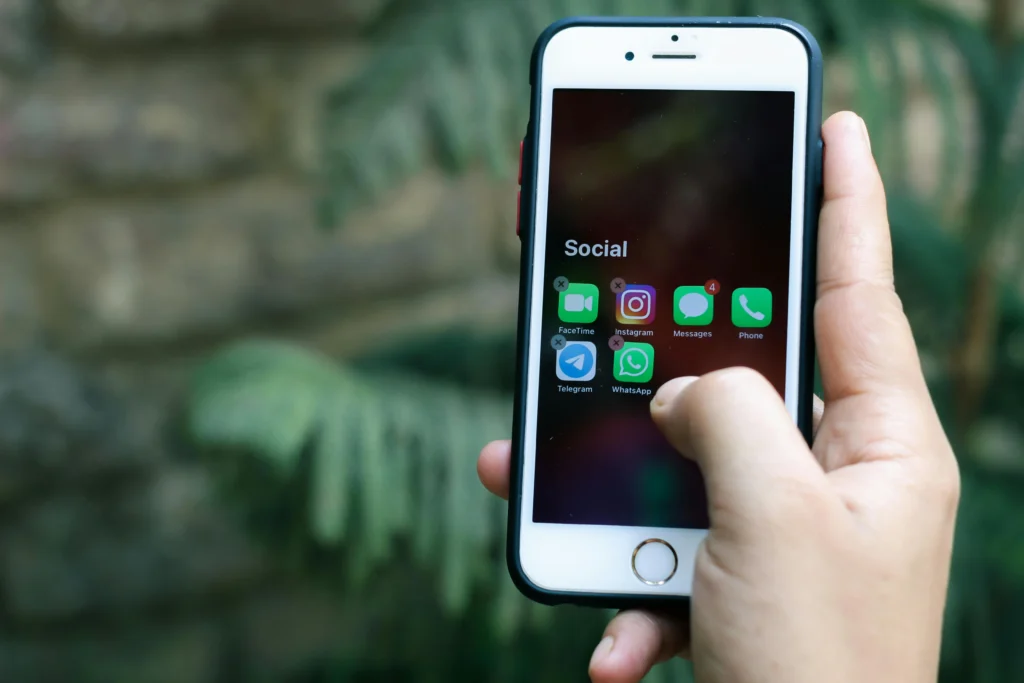
Instagram Marketing for Beginners: A Complete Step-by-Step Guide (2026) In 2026, the digital world is more visual than ever. If you aren’t leveraging instagram marketing, you are essentially leaving money on the table. But what exactly is it? Simply put, instagram marketing is the process of using the Instagram platform to connect with your target audience, build your brand identity, and sell your products or services. Why Instagram is Critical for Businesses Today “Whether you are a freelancer, a student looking to build a personal brand, or a small business owner, Instagram is your digital storefront—and Instagram marketing is your key to visibility. With over 2 billion active users globally—and a massive, highly engaged user base in India—it provides a level of visual storytelling that Facebook or LinkedIn simply cannot match.” Why Beginners Often Struggle Most beginners fail because they treat Instagram like a personal photo album. They post randomly, use banned hashtags, or ignore their instagram analytics. The truth is, the instagram algorithm for beginners can be tricky, but once you crack the code, the growth is exponential. Our Promise: By the end of this guide from Social Crafter, you will know exactly how to start, grow, and monetize your presence using effective instagram marketing strategies. if you want to know how small businesses can grow on social media in 2026 with out ads this in detail just check out. 1.What is Instagram Marketing? Before we dive into the “how,” let’s understand the “what.” Instagram marketing involves creating a content ecosystem that attracts and retains followers. To do this effectively, you need to choose the right account type. Understanding Instagram Account Types “Selecting the right account type is a crucial step in Instagram marketing, as it determines the tools, features, and analytics you’ll have at your disposal to scale your brand presence effectively.” Feature Personal Account Creator Account Business Account Best For Private use & friends Influencers & Artists Brands & Retailers Analytics None Detailed Insights Robust Analytics Monetization Limited High (Partnerships) High (Shop/Ads) Contact Buttons No Yes Yes Deep Dive: Which one to choose? Personal Account: Yeh un logo ke liye hai jo apni privacy maintain karna chahte hain. Isme aapko analytics ya advertising features nahi milte, so professional growth ke liye yeh recommended nahi hai. “Creator Account: This is the middle ground in Instagram marketing. It offers flexible profile controls, simplified messaging, and deeper insights into follower growth. It’s perfect for public figures or content creators who want to use trending music (which is sometimes restricted on business accounts) while still tracking their reach, engagement, and audience behavior.” “Business Account: If the goal is conversion and scalability in Instagram marketing, this is the gold standard. It allows you to integrate third-party scheduling tools, set up an Instagram Shop, and run highly targeted ad campaigns. For a professional brand looking to build trust and authority, the Business profile offers the most ‘official’ look with features like location tags, actionable contact buttons, and automated quick replies for seamless customer support.” 2.Why Instagram Marketing Matters in 2026 The platform has evolved. In 2026, Instagram marketing isn’t just about “likes”—it’s about “conversations” and “community.“ Visual Platform Power: Humans process visuals 60,000 times faster than text. In a world of short attention spans, high-quality imagery and immersive video build instant brand recall and trust. Portfolio Building: For freelancers, agencies like Social Crafter, and creative professionals, your feed is your digital CV. It serves as live social proof of your expertise and aesthetic. Direct Sales & Social Commerce: With integrated shopping features and “one-tap” checkout, Instagram for small businesses has transitioned from a discovery tool to a primary revenue stream. AI-Driven Personalization: By 2026, the algorithm has become incredibly sophisticated. It doesn’t just show content; it predicts intent. This means your brand can reach high-intent customers who are ready to purchase, even if they’ve never heard of you before. Community & Loyalty: Beyond ads, the platform allows for “Micro-Communities” via Broadcast Channels and Close Friends lists. This fosters deep loyalty, turning casual followers into brand advocates The Hyper-Local Advantage: Imagine a small local café. By using Instagram marketing, they can show a steaming cup of latte to someone living just 2km away via location tags and hyper-local Sponsored Stories. This precision in Instagram audience targeting ensures that every marketing rupee spent is reaching a potential walk-in customer, making it the most cost-effective billboard in history. 3. How to Set Up Instagram for Business “Setting up your account correctly is 50% of the battle won in Instagram marketing. Let’s look at the Instagram business account setup process to ensure you are discoverable, credible, and ready for growth from day one.” Step 1 — The Switch Go to Settings and Privacy > Account Type and Tools > Switch to Professional Account. Select “Business.” This unlock gives you access to the Meta Business Suite, allowing for scheduled posting and advanced ad management. Step 2 — Instagram Profile Optimization Your profile is your “Hook.” In 2026, users decide whether to follow you in less than $0.2$ seconds. If it looks messy, users will bounce. Profile Picture: Use a high-resolution logo for brands or a professional headshot for personal brands. Ensure it is centered; remember, the frame is circular and small on mobile screens. Username & Name Field: Keep your username searchable (e.g., @socialcrafter_agency). Pro Tip: Use the “Name” field for keywords, not just your name. For example: Social Crafter | Digital Marketing Agency. This helps you show up in SEO searches.Username & Name Field: Keep your username searchable (e.g., @socialcrafter_agency). Pro Tip: Use the “Name” field for keywords, not just your name. For example: Social Crafter | Digital Marketing Agency. This helps you show up in SEO searches. The Link in Bio Strategy: Don’t just paste a website link. Use a “Link Tree” or a custom landing page to direct traffic to your WhatsApp, latest blog, or latest product launch. Action Buttons: Enable buttons like “Email,” “Call,” or “Book Now.” This reduces friction, letting potential clients reach
Difference Between SEO & SEM (Beginner-Friendly Guide)
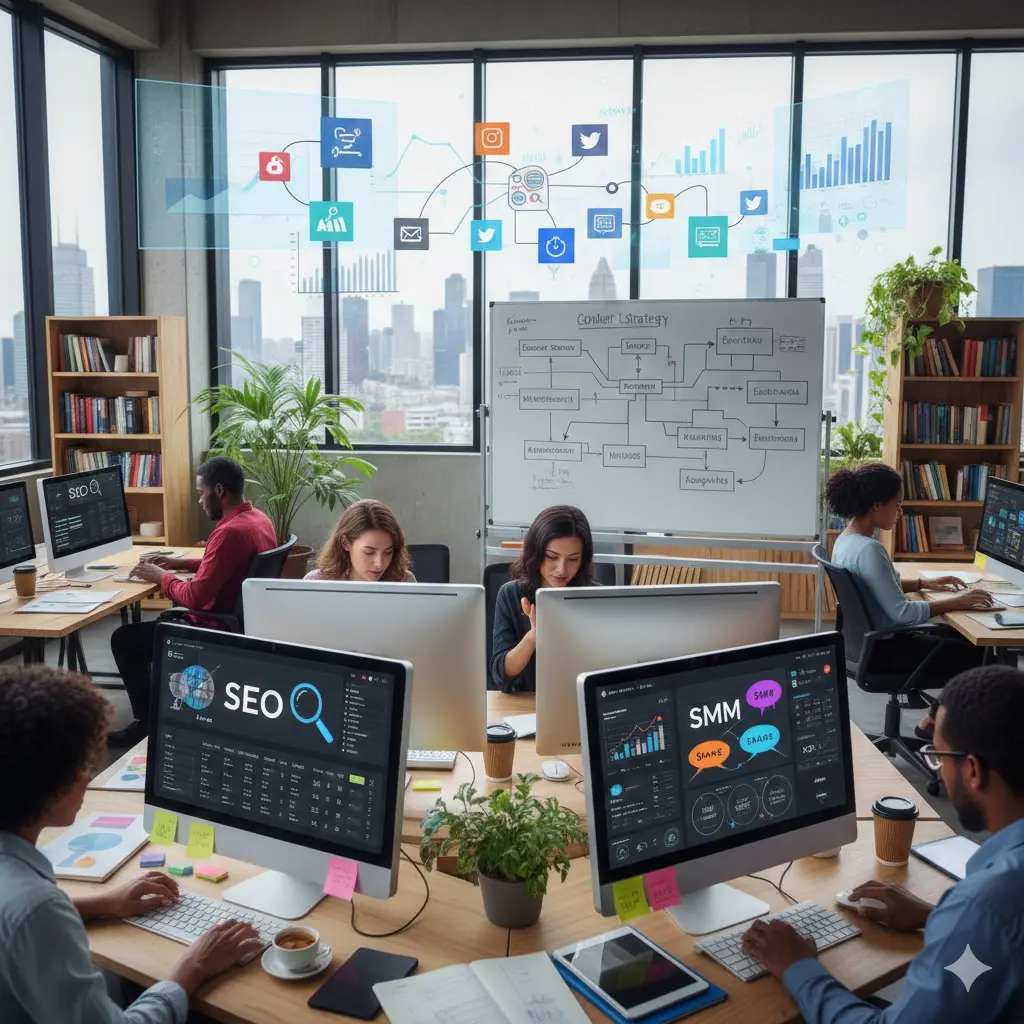
Understanding the Difference Between SEO and SEM in 2025 In today’s digital world, if your business isn’t appearing in search engine results, it’s not really visible to the global audience. Whether you’re an entrepreneur or a marketing professional, you’ve likely come across two important terms: SEO and SEM. Understanding the difference between these two is essential for any effective digital marketing strategy. While both aim to increase your visibility on Search Engine Results Pages (SERPs), they use different methods to achieve this. At Social Crafter, we believe that a brand’s success depends on how well it balances organic growth with paid visibility. This guide will provide a detailed explanation of the difference between SEO and SEM, helping you understand and apply both for your business. What is SEO? (Search Engine Optimization) Search Engine Optimization, or SEO, is the process of optimizing your website to rank higher in the organic search results of search engines like Google.The main goal of SEO is to bring in traffic at no cost. When someone asks what SEO is, they’re essentially asking how to make a website more appealing to Google’s algorithm. SEO: The Foundation of Digital TrustSEO is a long-term strategy. It’s about building authority and offering value. Because organic results are earned through performance, users often find them more trustworthy compared to advertisements. For more knowledge of SEO, you can also visit the Search Engine Journal article on SEO. Beyond trust, SEO is the ultimate investment in your brand’s digital equity. Unlike paid ads, where visibility vanishes the moment you stop paying, SEO creates a self-sustaining ecosystem of traffic. By consistently producing high-quality, expert-led content, you signal to Google that your website is a top-tier resource. This process involves meticulous website optimization, ensuring that every technical detail—from site speed to mobile responsiveness—is flawless. As you climb the rankings, your brand gains limitless credibility, becoming the “go-to” authority for users seeking genuine solutions. In 2026, SEO isn’t just about keywords; it’s about crafting a meaningful user experience that turns casual visitors into loyal advocates of your brand. The Three Pillars of Search Engine Optimization To truly understand the difference between SEO and SEM, it’s important to understand the three main components of a solid SEO strategy: On-Page SEO: This involves optimizing individual web pages.It includes creating high-quality content, conducting keyword research, and ensuring that your website is optimized properly. Off-Page SEO: This focuses on building your website’s credibility through backlinks and social signals.It’s about showing Google that other websites trust your content. Technical SEO: This refers to the backend of your website.It ensures fast loading speeds, mobile-friendliness, and correct indexing. Without technical SEO, even the best content may not rank well. What is SEM? (Search Engine Marketing) On the other side of the spectrum is Search Engine Marketing (SEM).In the past, the term SEM was used to describe both paid and organic strategies, but today it mainly refers to paid search advertising. When considering the difference between SEO and SEM, the main factor is speed.SEM allows you to skip the long waiting period required for organic rankings by paying for a top position in the search results. Through Google Ads and Pay-Per-Click (PPC) advertising, you can reach your audience immediately. This instantaneous reach is an explosive advantage for launching new products, promoting seasonal sales, or outperforming competitors during peak demand. While SEO builds your long-term legacy, SEM acts as a precision-guided catalyst, delivering high-intent traffic to your doorstep the very moment your campaign goes live. It provides the agility every modern brand needs to stay ahead in a fast-paced market.” How SEM Works SEM is based on a bidding system.You select keywords, set a budget, and create ads. When someone searches for those terms, Google runs an auction. If your bid is competitive and your ad is of high quality, your ad will appear. You only pay when someone clicks on your ad—this is known as cost per click (CPC). This dynamic auction ensures that Search Engine Marketing remains a fair and highly effective marketplace for businesses of all sizes. By mastering this bidding process, you can achieve targeted dominance for specific high-intent keywords, ensuring your brand captures the attention of potential customers exactly when they are ready to convert. At Social Crafter, we optimize these bids to maximize your ROI, turning every click into a powerful growth opportunity for your business.” Deep Dive: The Critical Difference Between SEO and SEM “To help you decide which approach fits your business, let’s look at the difference between SEO and SEM in several key areas. Understanding these pivotal factors will empower you to invest your marketing budget with absolute confidence and strategic precision.” 1. The Cost Factor “The most noticeable difference between SEO and SEM is the cost. SEO is often referred to as ‘free traffic,’ but in reality, it requires a significant investment in time, content, and professional expertise. However, you don’t pay for the clicks themselves. SEM, on the other hand, requires a direct budget. Each time someone clicks on your ad, money is taken from your account, making it a high-speed investment for immediate, measurable market impact.” 2. Time and Speed “If you need leads immediately, SEO may not be the best option. Search Engine Optimization takes months to show meaningful results. In contrast, the difference between SEO and SEM is clear in terms of speed. With SEM, you start receiving paid traffic as soon as your campaign goes live, providing an instant surge in visibility and high-intent conversions for your brand.” 3. Sustainability and Return on Investment “SEO is a long-term investment. Once you rank, you can maintain that position for a long time without ongoing costs. SEM, however, is a ‘pay-to-play’ model. The moment you stop paying, your traffic stops as well. This is an important difference between SEO and SEM when planning for long-term budgeting, as SEO builds lasting digital equity while SEM provides a high-intensity, immediate boost to your market presence.” SEO vs SEM — Key Comparison Table
What is Social Media Marketing? Complete Overview
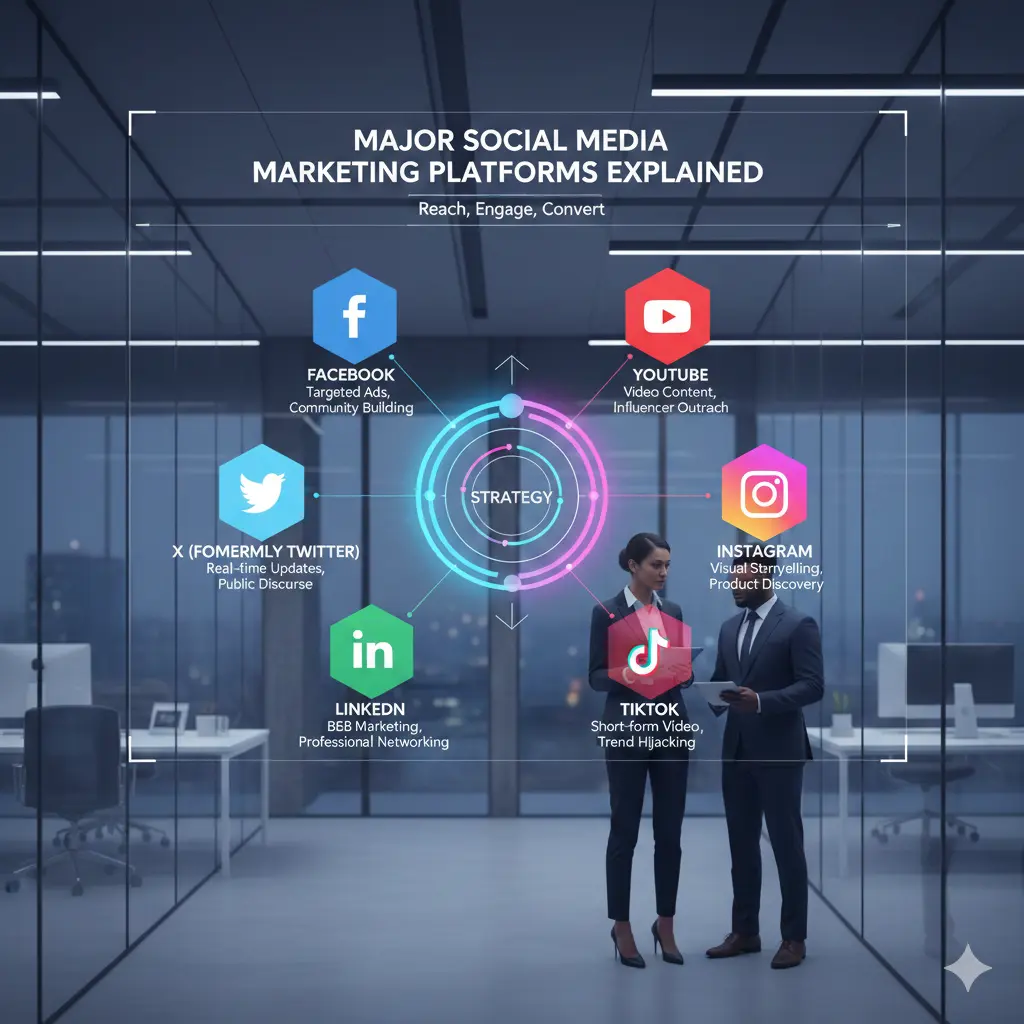
What is Social Media Marketing? Complete Overview for Beginners & Businesses In the rapidly evolving landscape of the 21st century, the way we communicate, consume, and conduct business has shifted fundamentally. At the center of this revolution is a powerful force that has redefined the relationship between brands and consumers. This force is known as social media marketing. For any business looking to survive and thrive today, understanding the nuances of this discipline is no longer an option—it is a necessity. Introduction to Social Media Marketing To the average user, social media is a place to connect with friends, share life updates, or watch entertaining videos. However, for a brand like Social Crafter, these platforms represent a vast, gold-mine of data and opportunity. Social media marketing is the strategic use of these networks to build a brand, increase sales, and drive meaningful website traffic. The power of social media lies in its ubiquity. Imagine a world where billions of people are constantly active on their handheld devices. A massive portion of the global population spends a significant part of their day scrolling through feeds, making these platforms the most influential channels for online brand promotion. Unlike traditional media, where communication is one-way, social media offers a dynamic, two-way dialogue. There is a stark difference, however, between “social media usage” and “social media marketing.” While usage is passive and personal, marketing is a rigorous, data-driven process. It involves deep psychological insights, technical optimization, and a relentless focus on digital brand presence. What is Social Media Marketing? At its most fundamental level, what is social media marketing? It is the process of creating tailored content for each social media platform to drive engagement and promote your business. It is about meeting your target audience in the places where they are already spending their time and interacting with each other. The concept revolves around using social networks as vehicles for brand storytelling. Whether it is a small organic skincare brand like Vanya sharing the purity of its ingredients or a tech giant launching a new product, social media marketing provides the stage. Organic vs. Paid Marketing Organic Social Media: This refers to the free content that businesses post on their feeds. It is designed to nurture a community and build long-term trust. It relies heavily on social media algorithms to determine who sees the content based on relevance and engagement. Paid Social Media: This is the commercial side where businesses pay to display ads to a specific target demographic. Through social media advertising, brands can bypass algorithmic limitations and reach thousands of potential customers instantly. How Social Media Marketing Works To understand the mechanics of social media marketing for business, we must look at it as a multi-step engine. 1. Platform Selection Success in social media marketing starts with choosing the right battleground. You don’t need to be everywhere; you need to be where your customers are. For example: Instagram & Pinterest: Highly visual, perfect for brands like Vanya that focus on elegance and purity. LinkedIn: The hub for B2B networking and professional content marketing on social media. YouTube: The king of long-form educational content and tutorials. 2. Content Creation Content is the “currency” of social media. To succeed, your social media marketing strategy must balance three types of content: Educational: Solving a problem or teaching a skill. Entertaining: Using humor, storytelling, or aesthetics to capture attention. Promotional: Direct calls to action that drive sales. Different formats like Reels, Stories, Carousels, and Live broadcasts ensure that the brand remains fresh and engaging. 3. Audience Targeting The true magic of social media marketing lies in its precision. Through advanced social media analytics, you can target users based on their specific demographics (age, location), interests (hobbies, liked pages), and online behaviors (recent purchases, frequent travels). 4. Distribution & Promotion Once the content is ready, it needs to be seen. This involves a mix of scheduled organic posting and strategic paid ads. A brand must understand the “prime time” for their audience to ensure maximum reach and impressions. 5. Measurement & Optimization Every post provides data. By analyzing the engagement rate and conversion tracking, marketers can perform A/B testing. If a specific video style performs better than a static image, the strategy is adjusted. This cycle of continuous improvement is what leads to high social media ROI. Major Social Media Marketing Platforms Explained 1. Instagram Marketing Instagram is the home of the “Aesthetic.” It is ideal for brands that can tell a story through visuals. With features like Reels and Shop, it has become a powerhouse for social commerce. Who should use it: Lifestyle, beauty, fashion, and food brands. Business Case: Using high-quality imagery to build an aspirational brand image. 2. Facebook Marketing Despite being one of the oldest platforms, Facebook’s reach is unmatched. Its sophisticated advertising toolset makes it essential for social media marketing for beginners and pros alike. Who should use it: Local businesses and brands targeting a broad age demographic. Business Case: Building a dedicated community through Groups and high-conversion ad campaigns. 3. LinkedIn Marketing LinkedIn is where the “Decision Makers” reside. It is the primary platform for digital brand presence in the B2B world. Who should use it: Corporate services, SaaS companies, and professional consultants. Business Case: Establishing thought leadership and generating high-quality B2B leads. 4. YouTube Marketing As the world’s second-largest search engine, YouTube is about depth. It allows for detailed content marketing on social media through long-form video. Who should use it: Tech, education, and brands that require detailed explanations. Business Case: Building long-term authority and “how-to” expertise. Types of Social Media Marketing To create a comprehensive social media marketing plan, it is essential to understand the different components, much like the branches of a tree: 1. Organic Social Media Marketing: This method focuses on gradually building a brand’s identity through regular posts, active interaction with the audience, and offering value without requiring payment for visibility. 2. Paid Social Media Advertising: This approach involves targeted efforts to gain market
What is SEM & How Google Ads Work
“Master What is Search Engine Marketing: The Proven Success Guide to Empower Your Brand” “In the hyper-competitive digital landscape of 2025, visibility is the currency of success. Every second, millions of users turn to search engines to find solutions, products, and services. For a business, the primary challenge isn’t just being online; it’s being found at the exact moment a potential customer is looking for what you offer. To achieve this, businesses must understand search engine marketing to secure a consistent flow of high-quality traffic to their digital storefronts.” “This guide will break down the complexities of what is search engine marketing and explain exactly how Google Ads—the world’s most powerful advertising platform—operates. At Social Crafter, we believe that understanding the mechanics of search engine marketing is the first step toward building a sustainable and profitable online presence.” In the hyper-competitive digital landscape of 2025, visibility is the currency of success. Every second, millions of users turn to search engines to find solutions, products, and services. For a business, the primary challenge isn’t just being online; it’s being found at the exact moment a potential customer is looking for what you offer. To achieve this, businesses need a consistent flow of high-quality traffic to their digital storefronts. What is Search Engine Marketing? To understand the digital ecosystem, one must first grasp the core concept of search engine marketing. In the simplest terms, SEM is a digital marketing strategy used toaincrease the visibility of a website in search engine results pages (SERPs) through paid advertising. While SEO is about “earning” traffic, SEM is about “buying” highly targeted traffic. When we discuss search engine marketing, we are referring to the entire umbrella of paid search activities. For example, imagine you are searching for a “website designer near me.” The first few results you see at the top of the page, often marked with a small “Ad” label, are the result of an SEM campaign. These businesses are using paid search marketing to bypass the long wait times associated with organic ranking and appear directly in front of motivated buyers. Simple Definition of search engine marketing What is search engine marketing? It is a data-driven strategy where advertisers bid on specific keywords that users of services like Google and Bing might enter when looking for certain products or services. This gives the advertiser the opportunity for their ads to appear alongside results for those search queries. How SEM Works in Simple Terms The lifecycle of an SEM ad is remarkably fast, occurring in milliseconds. Here is the step-by-step breakdown: User Search: A user enters a specific query into Google, signaling a clear intent to find a specific product, information, or professional service immediately. The Auction: Google identifies all ads whose keywords match the search query. This sophisticated automated system filters advertisers in real-time to ensure that only the most helpful and relevant ads are selected. Ad Display: Based on a combination of bid amount and ad quality, Google shows the most relevant ads. These premium top-tier placements capture maximum visibility and drive significantly higher click-through and conversion rates. The Click: When the user finds the ad helpful and clicks on it, the advertiser is charged. This performance-based model ensures your budget is spent only on verified engagement, effectively maximizing your overall ROI. SEM vs SEO – What’s the Difference? Understanding what is search engine marketing requires a clear distinction between paid and organic strategies. Both are essential components of a holistic digital strategy, but they serve different purposes. Factor SEM (Search Engine Marketing) SEO (Search Engine Optimization) Cost Paid search ads require a budget for every click. Technically “free,” though it requires time/resource investment. Speed Near-instant results once the campaign is live. Takes months to see significant ranking improvements. Sustainability Traffic stops the moment the budget runs out. Provides long-term, compounding organic traffic. Control High control over exactly who sees your ad and when. Less control; rankings depend on Google’s algorithm. Placement Guaranteed top-of-page placement (if bid is high enough). Placements appear below paid ads. When to Use Which? “If you are launching a new product or need immediate sales, search engine marketing provides the speed you need. However, if you are building a brand for the next five years, SEO is your foundation. At Social Crafter, we often recommend a hybrid approach: using SEM for immediate lead generation while building SEO authority in the background. This dual-action strategy ensures that while you capture high-intent buyers today through targeted ads, your organic footprint continues to grow, ultimately lowering your long-term customer acquisition costs and solidifying your brand’s market dominance.” What is Google Ads? If SEM is the strategy, Google Ads is the engine. Google Ads (formerly Google AdWords) is Google’s proprietary online advertising platform. It is the primary tool businesses use when they want to implement search engine marketing effectively. Through Google Ads, businesses create online advertising on google that reaches users across a massive network. While most people associate SEM with the text ads on search result pages, Google Ads actually allows your brand to appear on YouTube, millions of third-party websites, and even within mobile apps. When professionals discuss search engine marketing, Google Ads is almost always the central focus because it commands the largest share of the global search market. Types of Google Ads Campaigns To master search engine marketing, you must understand the different “flavors” of ads available. 1. Search Ads These are the most common form of paid search marketing. They are text-based ads that appear on Google Search results. They are highly effective because they target ‘pull’ intent—the user is actively searching for a solution, effectively converting high-intent searchers into profitable customers for your business.” 2. Display Ads “Unlike search ads, display ads are visual (banners). They appear on the Google Display Network, which includes over 2 million websites and apps. This is less about immediate search intent and more about brand awareness and sem advertising, capturing user attention visually to build lasting brand recall and
Technical SEO Guide: How to Optimize Site Speed & Indexing | Social Crafter
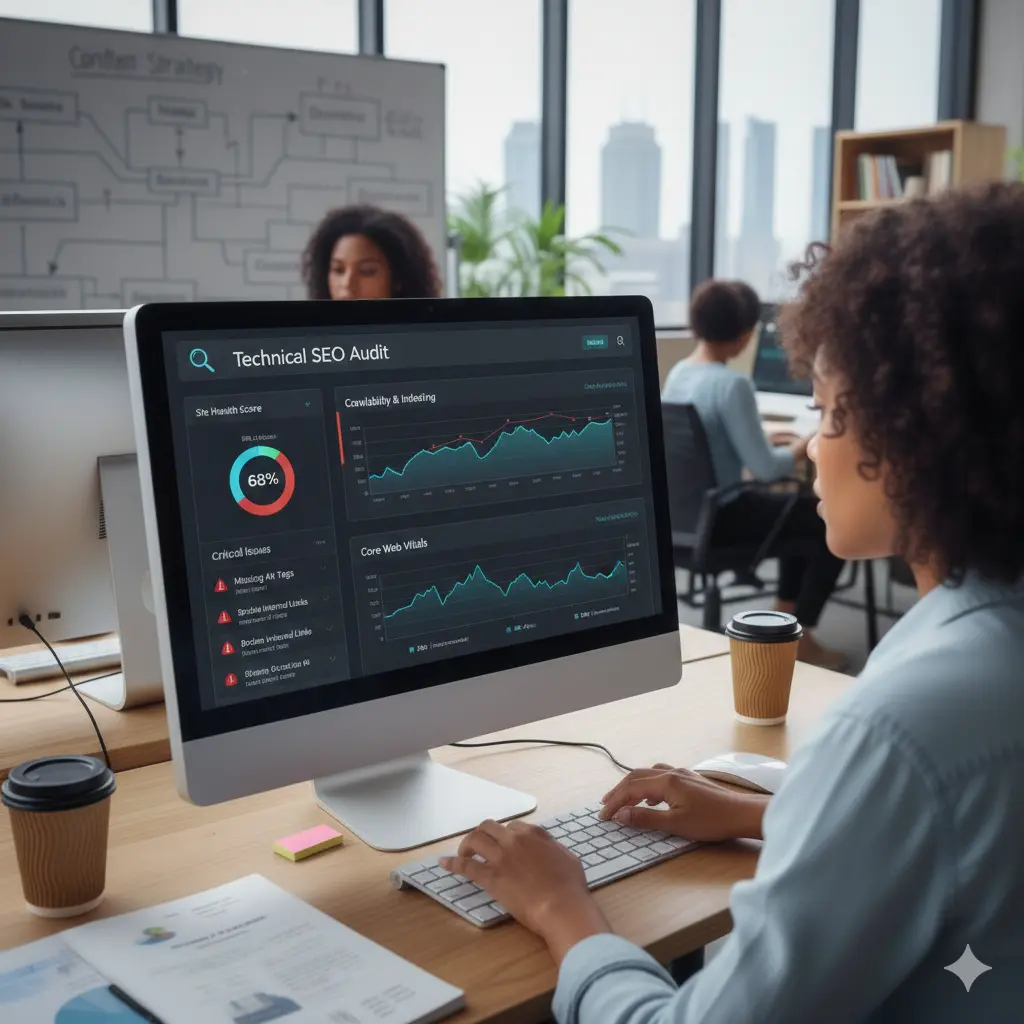
Mastering Technical SEO: Site Speed, Indexing, and Sitemaps Explained In the world of digital marketing, content might be king, but the foundation upon which that king sits is technical SEO. Imagine building a luxury showroom for a brand like Vanya; if the doors are locked and the lights are off, no matter how pure the products are, customers won’t be able to see them. Similarly, without a solid technical structure, search engines cannot discover your high-quality content.aTechnical SEO: Site Speed, Indexing, and Sitemaps Explained In the world of digital marketing, content is important, but the base upon which it stands is technical SEO.Think of it like building a high-end showroom for a brand like Vanya; if the entrance is locked and the lights are off, no matter how great the products are, potential customers won’t be able to see them. The same goes for websites—without a strong technical structure, search engines can’t find or understand your content. In the modern digital ecosystem, a website is more than just a collection of pages; it is a complex piece of software. If you are managing a brand like Vanya or running an agency like Social Crafter, you already know that “content is king.” But if the king doesn’t have a stable throne to sit on, the kingdom falls. That stable throne is built through technical SEO. What Is Technical SEO? To explain in simple English, technical SEO is the process of optimizing your website’s server and backend architecture. The goal? To make it as easy as possible for search engine spiders (crawlers) to access, interpret, and organize your content. Imagine you’ve built a world-class luxury store. If the front door is jammed (indexing issue), the store layout is a maze (sitemap issue), or the elevator takes 10 minutes to arrive (site speed issue), customers will leave before seeing your products. Why the “Technical” Part MattersSearch engines like Google use complex algorithms to determine rankings. While keywords and backlinks are vital, Google won’t even look at them if your site’s foundation is broken. Technical SEO covers: 1. Site Speed: Making pages load quickly for users. 2. Indexing: Ensuring Google stores your pages in its database. 3. Sitemaps: Offering a clear path for search engines to explore your site. Without a strong technical SEO strategy, even the most visually appealing website will struggle to achieve high rankings. Why Technical SEO Matters for Rankings In the current SEO environment, Google places great importance on Experience, Expertise, Authoritativeness, and Trustworthiness (E-E-A-T).Technical SEO plays a key role in building this trust. If a website is slow, broken, or lacks security, Google may view it as low-quality, which can lead to lower search rankings. The Impact on Organic Growth1. Improves Crawling & Indexing: If search engine crawlers can’t access your site due to technical problems, your content won’t be found in search results. 2. Enhances User Experience (UX): A fast, responsive site keeps users engaged and reduces the chance of them leaving quickly. 3. Supports Core Web Vitals: Google now uses specific performance metrics to evaluate a site’s health. 4. Builds Search Engine Trust: A well-optimized technical setup shows Google that you are a professional and reliable website. “Technical SEO is the foundation of long-term organic growth.It is the link between a website’s existence and its visibility.” Why Speed is a Ranking Factor Google’s “Speed Update” made page load time a direct ranking factor for both mobile and desktop. A fast site provides a superior user experience, which leads to better engagement signals—something Google loves to reward. Optimizing these metrics through professional technical SEO practices ensures that your site remains competitive in high-stakes search environments. Rapid load times significantly lower bounce rates while increasing overall conversion potential. Deep Dive: Core Web Vitals (The Three Metrics) To master technical SEO, you must optimize for these specific user-centric metrics: Largest Contentful Paint (LCP): This measures how long it takes for the largest piece of content (usually a hero image or heading) to become visible. Target: Under 2.5 seconds. Interaction to Next Paint (INP): This replaces FID and measures the site’s responsiveness to user clicks or key presses. Target: Under 200 milliseconds. Cumulative Layout Shift (CLS): This measures visual stability. Have you ever tried to click a link, but the page jumped and you clicked an ad instead? That’s poor CLS. Target: Under 0.1. How to Improve Site Speed (Advanced Tips) Advanced Image Compression: Move beyond JPEGs. Use WebP or AVIF formats. Implement “Lazy Loading” so images only load when they enter the viewport. Server-Side Caching: Use tools like Redis or Varnish to store pre-rendered versions of your pages. Database Optimization: Clean up old revisions, spam comments, and bloated tables to speed up query times—a vital step in website performance SEO. Minification & Bundling: Shrink your CSS and JavaScript files by removing comments and white spaces. Content Delivery Networks (CDN): Use services like Cloudflare to serve your site from global edge servers. Site Speed Explained One of the most important parts of technical SEO is optimizing site speed. In today’s fast-paced world, even a one-second delay in page load time can significantly reduce conversions. Beyond just user retention, rapid performance enables search engine bots to crawl your pages more efficiently without exhausting your dedicated crawl budget. Prioritizing technical SEO through speed ensures that every visitor enjoys a frictionless journey, which ultimately signals high authority to Google’s ranking algorithms and boosts your long-term organic visibility. What Is Site Speed?Site speed refers to how quickly a browser can load fully functional webpages from your server. It is measured in seconds, but in the world of technical SEO, we measure it in milliseconds. A delay of just 100ms can decrease conversion rates by 7%. This metric directly reflects your server’s efficiency and front-end optimization. Maintaining rapid speeds through consistent technical SEO audits ensures your infrastructure can handle traffic spikes while providing a seamless, professional user experience. Why Site Speed Matters for SEO :Google has long considered site speed as a ranking factor. Beyond
Off-Page SEO: Backlinks, Authority & Trust Signals
The Ultimate SEO Masterclass: On-Page & Off-Page Optimization for 2026 In the ever-evolving landscape of digital marketing, achieving the top spot on Google is no longer about “tricking” the system. It is about building a digital ecosystem that provides immense value to users while being easily interpretable by search engines. To help you navigate this, Social Crafter presents this deep-dive blueprint into the two most critical pillars of search engine success. Add Your Heading Text Here Lorem ipsum dolor sit amet, consectetur adipiscing elit. Ut elit tellus, luctus nec ullamcorper mattis, pulvinar dapibus leo. Lorem ipsum dolor sit amet, consectetur adipiscing elit. Ut elit tellus, luctus nec ullamcorper mattis, pulvinar dapibus leo. Add Your Heading Text Here Lorem ipsum dolor sit amet, consectetur adipiscing elit. Ut elit tellus, luctus nec ullamcorper mattis, pulvinar dapibus leo. Lorem ipsum dolor sit amet, consectetur adipiscing elit. Ut elit tellus, luctus nec ullamcorper mattis, pulvinar dapibus leo. Add Your Heading Text Here Lorem ipsum dolor sit amet, consectetur adipiscing elit. Ut elit tellus, luctus nec ullamcorper mattis, pulvinar dapibus leo. Lorem ipsum dolor sit amet, consectetur adipiscing elit. Ut elit tellus, luctus nec ullamcorper mattis, pulvinar dapibus leo. Add Your Heading Text Here Lorem ipsum dolor sit amet, consectetur adipiscing elit. Ut elit tellus, luctus nec ullamcorper mattis, pulvinar dapibus leo. Lorem ipsum dolor sit amet, consectetur adipiscing elit. Ut elit tellus, luctus nec ullamcorper mattis, pulvinar dapibus leo. Add Your Heading Text Here Lorem ipsum dolor sit amet, consectetur adipiscing elit. Ut elit tellus, luctus nec ullamcorper mattis, pulvinar dapibus leo. Lorem ipsum dolor sit amet, consectetur adipiscing elit. Ut elit tellus, luctus nec ullamcorper mattis, pulvinar dapibus leo. Add Your Heading Text Here Lorem ipsum dolor sit amet, consectetur adipiscing elit. Ut elit tellus, luctus nec ullamcorper mattis, pulvinar dapibus leo. Lorem ipsum dolor sit amet, consectetur adipiscing elit. Ut elit tellus, luctus nec ullamcorper mattis, pulvinar dapibus leo. Add Your Heading Text Here Lorem ipsum dolor sit amet, consectetur adipiscing elit. Ut elit tellus, luctus nec ullamcorper mattis, pulvinar dapibus leo. Lorem ipsum dolor sit amet, consectetur adipiscing elit. Ut elit tellus, luctus nec ullamcorper mattis, pulvinar dapibus leo. our team is ready to provide tailored answers. Struggling to grow your brand online? Discover simple, proven strategies that turn your content, design, and marketing into real results. For more information
The Beginner’s Guide to Mastering On-Page SEO Techniques for Organic Growth in 2026
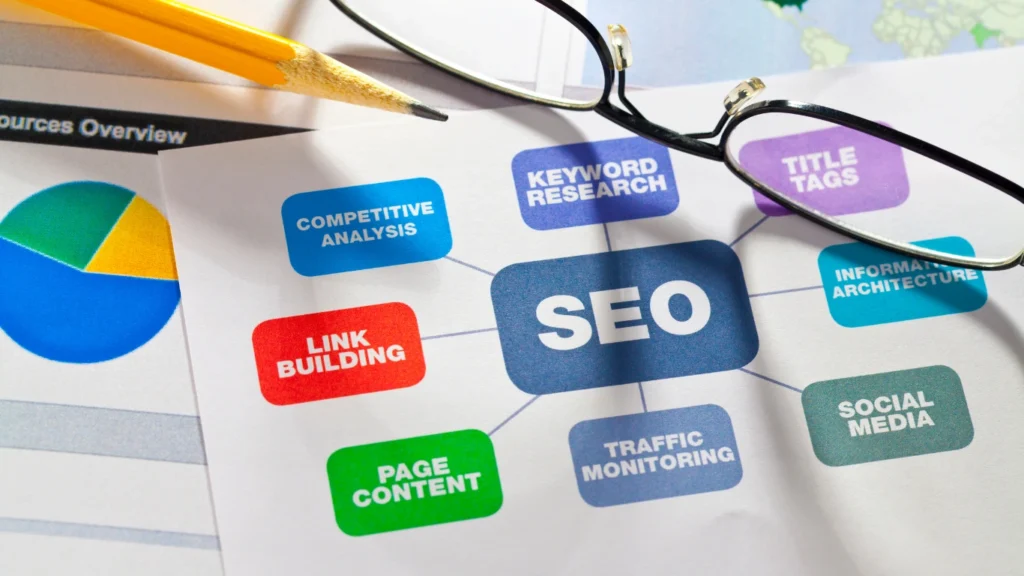
The Beginner’s Guide to Mastering On-Page SEO Techniques for Organic Growth in 2026 Are you trying to improve your website’s visibility on Google without investing heavily in ads?The answer lies in On-Page SEO. This guide will explain the key On-Page SEO Techniques you need to know in 2026, making it easy for beginners, small business owners, and students to understand and use. 1. What is On-Page SEO? On-page SEO is the process of optimizing individual web pages to appear higher in search engine results and attract more relevant visitors. It includes improving both the content and the HTML code of a page. These improvements are often called On-Page SEO Techniques, and they help search engines understand what your content is about and how useful it is for users. By applying the right techniques, you make your page easier to crawl, index, and rank. This includes optimizing title tags, headings, internal links, images, and keyword placement. At the same time, on-page optimization improves user experience by making pages more readable, faster to load, and easier to navigate. When your content is well-structured and valuable, Google is more likely to trust it and show it to the right audience, leading to better visibility, higher engagement, and consistent organic growth over time. On-page SEO, also known as “on-site SEO,” involves optimizing elements on your website to enhance its search engine ranking and user experience.It refers to optimizing what search engines can directly see and interact with on your page. The aim is to inform Google that your page provides the best and most valuable answer for a particular search query. Why on-page SEO is important before off-page SEO: Imagine your website as a house. On-page SEO is like ensuring the foundation is strong, the rooms are well-organized, and the address is clearly written. This is exactly what On-Page SEO Techniques help you achieve by improving structure, clarity, and relevance. Off-page SEO is like promoting the house to others. You wouldn’t invite people to a messy, unfinished house, would you? Likewise, you must first optimize your page with proper on-page SEO methods so Google understands what your page is about and sees it as a quality result before seeking external support. A clean, optimized page builds trust, improves user experience, and increases the chances of higher rankings and better engagement. How on-page SEO helps Google understand your content: Google uses special programs called “crawlers” or “spiders” to read and understand web pages. By using on-page SEO factors such as clear title tags, proper heading structure, and relevant keywords, you are essentially providing Google with a detailed summary and map of your content. These elements are part of essential On-Page SEO Techniques that help search engines understand the topic, relevance, and quality of your page. This helps Google correctly categorize your page and match it with relevant user searches. When your content follows proper structure and clarity, it becomes easier for crawlers to index it and for users to navigate it. As a result, your page has a better chance of ranking higher, attracting targeted traffic, and delivering value to the right audience. Consistently applying strong On-Page SEO Techniques builds long-term visibility and trust with search engines. Related Reading: Want to learn more about the bigger picture?Check out our full guide: [What Is SEO? A Beginner’s Guide] Difference between On-Page and Off-Page SEO Feature On-Page SEO Off-Page SEO Location Elements on your website (content, code, images) External signals away from your website (links, social media) Focus Relevance, quality, user experience (UX) Authority, trustworthiness Example Optimizing your title tag Earning a backlink from a news site Real-Life Example (Blog Post) Imagine you write a blog post titled “10 Must-Try Pulaoo Recipes.” Some On-Page SEO Techniques you would use include: Including your main keyword (for example, pulao recipes) in the title and the main heading so search engines clearly understand your topic. Optimizing the images with descriptive alt text to improve accessibility and image search visibility. Structuring the content with clear H2 and H3 headings so both users and crawlers can easily scan the page. Using related LSI keywords like “healthy low-carb meals” and “pulao diet for beginners” to increase topical relevance. These On-Page SEO Techniques help improve clarity, user experience, and keyword relevance, which increases the chances of your post ranking higher and reaching the right audience organically. 2. Why On-Page SEO Is Important in 2026 Mastering website on-page SEO through effective On-Page SEO Techniques is more critical now than ever before. Here’s why it remains the foundation of any successful SEO strategy for sustainable online growth and visibility. Helps Google Rank Your Pages: By implementing on-page SEO best practices, you directly influence how Google assesses the topic and quality of your content, leading to higher rankings. Improves User Experience (UX): Well-optimized pages are faster, easier to read, and simpler to navigate. Google highly prioritizes UX, making it a key seo on page factor. Increases Organic Traffic: When your pages rank higher for valuable keywords, you capture more of the free, organic traffic from search engines. Reduces Bounce Rate: Users are less likely to click away immediately (high “bounce rate”) if your page loads quickly and clearly delivers on the promise of the search result. Supports E-E-A-T Signals: Google’s emphasis on Experience, Expertise, Authoritativeness, and Trustworthiness (E-E-A-T) is partially judged by your on-page elements. High-quality, well-cited, and expertly written content is a strong E-E-A-T signal. 3. Core On-Page SEO Elements (Beginner Must-Know) The following On-Page SEO Techniques are the non-negotiable fundamentals every beginner must master to build strong visibility, relevance, trust, and long-term organic growth online. 1. Title Tag Optimization The Title Tag is the most important on-page SEO factor. It’s the clickable headline that appears on the Google Search Results Page (SERP). Ideal Length: Keep it between 50–60 characters to prevent it from being cut off by Google (truncated). Focus Keyword at the Beginning: Place your primary keyword (on page seo techniques) as close to the start as possible. Power Words Example: Words like
What Is SEO, Explained: The A-Z Roadmap to Google Ranking Success (2026 Edition)
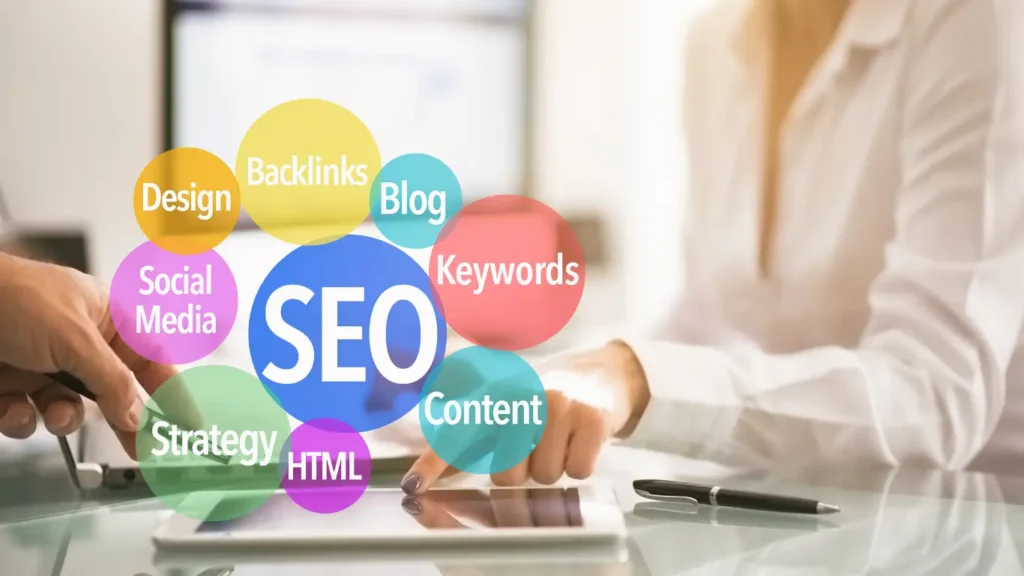
The Definitive 2026 Guide to What Is SEO: Achieve Exponential Organic Traffic Growth in 2026 If you are running an online business, website, blog, or Instagram page, then what is SEO (Search Engine Optimization) is one of the most powerful tools you can use for growth.Today, simply being online is no longer enough. You need to be seen. You need people to find you exactly when they need your product or information. This is where knowing what is seo becomes essential. The more helpful, relevant, and high-quality your content is for Google and other search engines, the better your search engine rankings become — leading to more organic traffic, more visibility, and more sales or customers.SEO (search engine optimization) is the engine that drives consistent, high-quality traffic to your website, blog, or digital property. 1. What Is SEO in Simple Terms? SEO stands for Search Engine Optimization. It is a set of strategies, techniques, and tactics used to increase the number of visitors to a website by achieving a high ranking in the search results page (SERP) of search engines like Google, Bing, and others. In short, it is a process where you optimize your website so that Google or any other search engine can rank it among the top results. When someone, especially a beginner, asks what is SEO, the simplest answer is: it’s the art and science of getting organic clicks. When people search for things like: ✔ “best digital marketing agency in Delhi” ✔ “how to start a blog” ✔ “buy running shoes” If your website appears in the top 3 results, you win! This is why understanding what is SEO and implementing it is so important. The main goal of any SEO professional is to improve the website’s ranking. 2. Why SEO Is Important In a world that is increasingly influenced by AI and highly advanced search, understanding why SEO is important has never been more critical. What is SEO, if not a fundamental business strategy for the digital age? 1. Free Organic Traffic (Growth Without Paying) Organic traffic is permanent and free. Unlike paid ads, where traffic stops when you stop paying, SEO continues to work 24/7. This consistency is the main reason why mastering what is SEO leads to long-term growth. It’s about building an asset, not renting traffic. The volume and quality of organic traffic are unmatched. 2. Builds Trust and Authority (E-E-A-T) People inherently trust the top results from Google. Being listed among the top positions means that Google, the world’s largest search engine, trusts your content. Ranking high strong brand image. This directly relates to Google’s E-E-A-T framework. A solid SEO process establishes you as an authority in your niche. 3. High ROI and Long-Term Benefits What is SEO at its core? It is a long-term investment. While results may take a few months (usually 3–6 months), the return on investment (ROI) is usually higher than most other digital marketing efforts over time. A well-ranked piece of content can bring traffic for years. r> 4. Easily Beats Your Competitors If your competitor is using SEO and you are not, you are likely to lose 80% of your online visibility. In competitive niches, the difference between being first and second in search results is huge. The first result usually gets around 28.5% of all clicks. Ignoring what is SEO means giving away your market share to your competitors 5. Users Always Search Before Buying (The Buyer Journey) 92% of users research using Google before making a purchase. They search for solutions, read reviews, and compare products. A well-optimized website ensures you are present at every stage of the buyer’s journey. This targeted presence is a key digital marketing advantage brought by SEO. 3. How Search Engines Work To understand what is SEO, you must first grasp how search engines like Google work. Search engines primarily follow three complex yet easy-to-understand steps: 1. Crawling What it is: Google bots (also known as spiders) constantly discover new and updated pages on the web by following links. They scan and read the code and content of your website’s pages. SEO Goal: Make sure your site structure is clean, internal linking is strong, and you do not have any pages blocked by robots.txt. 2. Indexing What it is: The search engine stores and organizes the information collected during crawling in a large database called the index. Thinkof the index as a massive digital library. A page must be indexed to be eligible to rank. SEO Goal: Use tools like Google Search Console to check index coverage and fix any issues that prevent pages from being added to the index. 3. Ranking What it is: When a user enters a search query, like “what is SEO,” Google’s algorithms retrieve the most relevant pages from its index and rank them based on relevance, quality, and authority. SEO Goal: This is the ultimate goal of all your efforts. It involves optimizing for the 200+ Google ranking factors. This entire process is what what is SEO is aiming to achieve. 4. Google Algorithm: How Google Ranks Your Content Google’s core ranking system is designed to reward the best content that satisfies user intent. While Google uses 200+ ranking factors, focusing on the most influential ones is key for a beginner learning what is SEO. These are the primary SEO ranking factors: 1. High-Quality, In-Depth Content Google loves helpful, original, and problem-solving content. Your content must go deeper than your competitors. It should fully answer the user’s query. This is the foundation of the modern SEO strategy. 2. Search Intent Match User kya search kar raha hai $rightarrow$ same intent ka content hona chahiye. If a user searches for “what is SEO,” they want a definition and a guide, not a pricing page for your services. Matching intent is paramount. 3. Relevant Keywords Proper keyword research & placement is essential. Using primary (like “what is SEO“), secondary, and LSI keywords ensures Google fully understands the context of your page. The
Dominate 2026: The 14 Key Types of Digital Marketing Tactics
Dominate 2026: The 12 Key Types of Digital Marketing Tactics to Skyrocket Your Brand. In today’s fast-paced, interconnected world, having a great product or service is not enough to guarantee success. The real key to growing your business lies in how effectively you communicate your value to your customers. That is where digital marketing comes into play — especially when businesses understand and apply the types of digital marketing that best match their goals, audience, and budget. By choosing the right digital marketing channels, brands can reach the right people at the right time, build trust, and turn attention into measurable growth. What is digital marketing? In its simplest form, it is the practice of promoting products, services, or brands using online channels and technologies. It leverages the internet to reach consumers where they spend most of their time and across the various types of digital marketing, such as search engines, social media, email, and online advertising platforms. Why is understanding the different types of digital marketing crucial for businesses in 2026? The digital ecosystem is fragmented, with consumers engaging across multiple platforms—from search engines and social feeds to emails and mobile apps. To thrive, businesses cannot rely on a single strategy. They must craft a cohesive digital marketing mix. Each type of digital marketing contributes uniquely to brand growth and revenue, whether by attracting new leads, nurturing existing customers, or driving instant sales. The strategic combination of these types of digital marketing channels transforms a company’s online presence into a powerful, predictable growth engine. Let’s dive into the essential types of digital marketing that are defining the future of business. 12 Major Types of Digital Marketing Below are the most important and widely used digital marketing types every beginner and business must know. Search Engine Optimization (SEO) Search Engine Marketing (SEM) / PPC Ads Social Media Marketing (SMM) Social Media Advertising (Paid Social Ads) Content Marketing Email Marketing Influencer Marketing Affiliate Marketing Video Marketing Mobile Marketing (SMS, WhatsApp, App) Display & Banner Advertising Conversion Rate Optimization (CRO) Local SEO 1.Search Engine Optimization (SEO) What It Is :-Search Engine Optimization, or SEO, is the process of increasing your website’s visibility on search engines like Google and Bing.The aim is to bring in organic traffic—visitors who find your site naturally through search results. It serves as the foundation for many effective digital marketing strategies, and a very important types of digital marketing. How It Works:- 1. Keyword Research: Figuring out the exact terms your target audience uses when searching for your products or information. 2. On-Page Optimization: Organizing website content, titles, headings, and images in a way that matches your targeted keywords and user intent. 3. Technical SEO: Improving the website’s technical aspects to ensure it loads fast, is mobile-friendly, and can be easily crawled by search engines. 4. Link Building: Gaining quality backlinks from reputable websites, which signals trust and authority to search engines. Real Example :-Imagine a bakery website that ranks first for the search phrase “best cupcakes in Delhi.”This top position is a direct result of excellent SEO, bringing in free, high-interest customers to their virtual doorstep. Why It Matters :-SEO offers long-term, free, high-intent traffic.Although it takes time to see results, the return on investment is significant because the visitors are actively looking for what you provide. It is a crucial types of digital marketing. 2. Content Marketing What It Is :-Content marketing involves creating and sharing valuable, relevant, and consistent content to reach and keep a specific audience.Unlike direct advertising, it focuses on providing education and entertainment, making it one of the most respected types of digital marketing. Types of Content:-1. Blogs: In-depth articles that answer specific questions. 2. Videos: Tutorials, product demos, and brand stories. 3. Infographics: Visual representations of complex data. 4. Guides & E-books: Detailed resources for lead generation. 5. Case Studies: Evidence of how the product works in real situations. Example :-HubSpot has a large collection of free blogs, templates, and guides that offer useful information on business and marketing topics.This regular, high-quality content generates millions of leads and is a core part of their overall digital strategy. Benefit :-Content marketing is the foundation of many digital marketing channels.It helps build trust, improves SEO by providing pages that can be indexed, and actively supports sales by guiding potential customers through the buying process. 3. Social Media Marketing (SMM) What It Is :-Social Media Marketing (SMM) is the use of social media platforms like Instagram, Facebook, YouTube, LinkedIn, and X to connect with your audience, build brand awareness, and drive traffic and sales. It is a types of digital marketing which inlcudes overall social media paltform in it . Strategies :-1. Content Calendar: Planning and scheduling varied content to maintain consistency. 2. Influencer Collaboration: Working with key figures to reach new, trusted audiences (which overlaps with Influencer Marketing). 3. Reels & Short Videos: Using short, engaging content for quick reach and visibility. 4. Community Engagement: Responding to comments and messages to encourage interaction Example :-Zomato is well-known for its clever, viral social media posts and culturally relevant memes, showing how effective SMM can create a unique and relatable brand voice. While SEO focuses on being found by those who are searching, SMM involves placing your brand in front of those who are browsing.Both are essential types of digital marketing that serve distinct functions in your overall strategy. SEO and SMM are often complementary types of digital marketing strategies, not competing ones. The advantages of social media marketing, a crucial type of digital marketing channel, include fast feedback and direct audience interaction. 4. Pay-Per-Click Advertising (PPC) PPC is a form of online marketing where advertisers pay a fee each time someone clicks on their ad.It offers immediate visibility and is the main form of paid advertising. Platforms 1. Google Ads: Displaying ads on search results pages, websites, and YouTube. 2. Meta Ads: Running targeted ads on Facebook and Instagram. 3. YouTube Ads: Video ads that play before, during, or after videos. Example :-A coaching
The Importance of Digital Marketing in 2026 for Modern Businesses
Why Is Digital Marketing the Ultimate Growth Tool for Businesses in 2026? In the dynamic business landscape of 2026, the question is no longer if you need an online presence, but how aggressively you are embracing it. For any business aiming for survival and growth, understanding the importance of digital marketing is paramount. It’s the essential engine that drives visibility, engagement, and revenue in the modern, digitally-driven economy. 1. Introduction: Navigating the Digital Frontier in 2026 What is Digital Marketing in Simple Words? Digital marketing, simply put, is the promotion of products or services using electronic media and the internet. It encompasses all marketing efforts that use an electronic device or the internet. This includes tools like search engines, social media platforms, email, and websites to connect with current and prospective customers.In 2026, the complexity and reach of these tools have grown exponentially, making the importance of digital marketing far greater than ever before. 2026 Trends: AI, Automation, Privacy-First Marketing The year 2026 is defined by three major technological shifts shaping the importance of digital marketing: 1. AI (Artificial Intelligence): AI is revolutionizing content creation, automating customer service (chatbots), and—most critically—providing hyper-accurate data analysis for personalized targeting. 2. Automation: From email sequences to ad bidding and social media scheduling, automation allows businesses to run sophisticated, 24/7 campaigns efficiently. 3. Privacy-First Marketing: With the phasing out of third-party cookies and increased regulatory focus on data privacy (like GDPR and CCPA), the emphasis is shifting to building direct, first-party customer relationships. This highlights the importance of digital marketing strategies that prioritize consent and trust. Why Every Business—Small or Big—Must Shift Online Whether you run a small local shop or a multinational corporation, your customers are online. If you are not there to meet them, your competitors will be. The shift online is not optional; it’s a non-negotiable prerequisite for commercial viability. The importance of digital marketing lies in its ability to bridge the gap between your offering and your audience efficiently. 2. How Consumer Behavior Has Changed in 2026 Understanding the contemporary consumer is central to grasping the importance of digital marketing. The way people discover, research, and purchase has fundamentally transformed: 1. Rise of Mobile-First BrowsingIn 2026 :The smartphone is the primary window to the world. Over 80% of all web traffic and e-commerce sales flow through mobile devices. This makes mobile responsiveness not a feature, but a mandatory design requirement. Google and other search engines prioritize mobile-friendly sites, underscoring the importance of digital marketing tailored for the small screen. 2. Voice Search & AI Assistants:The rise of Siri, Alexa, and Google Assistant means more people are asking questions directly to their devices. Voice search results are concise, typically fetching only the top one or two results. This is driving a change in SEO strategies, focusing on long-tail, conversational keywords, further emphasizing the importance of digital marketing in adapting to new search modalities. 3. Social Media Becoming the New “Search Engine”:Younger generations often bypass Google and use platforms like TikTok, Instagram, and YouTube to search for product reviews, trends, and business recommendations. This shift means businesses must view social channels not just as engagement platforms, but as critical discovery tools. The importance of digital marketing through social media has never been higher for visibility. 4. Short-Form Video Dominance (Reels, YT Shorts):Attention spans are shrinking, and bite-sized, engaging video content dominates feeds. Short-form videos offer a high-impact way to deliver brand messages, showcase products, and build personality quickly. Integrating video into your strategy is key to realizing the importance of digital marketing for rapid audience capture. 3. Why Digital Marketing Is a Must (Core Reasons) The core reasons highlighting the importance of digital marketing are deeply rooted in its capability, efficiency, and reach: 1. Wider Reach at Lower Cost :Traditional marketing (print, TV, radio) is expensive and geographically limited. Digital marketing allows a business, even a startup, to reach a global audience 24/7 for a fraction of the cost. The return on investment (ROI) is often significantly higher, making the importance of digital marketing undeniable for budget-conscious growth. 2. Measurable Results & Analytics :Unlike a billboard, every action in digital marketing is trackable. Analytics tools can tell you exactly: How many people saw your ad (impressions). How many clicked (clicks/CTR). Where they came from (source/medium). How much you spent to get a conversion (CPA).This measurability is central to the importance of digital marketing, allowing for instant optimization and data-driven decision-making. 3. Targeted Advertising (AI-based targeting) :In 2026, AI-driven algorithms allow for laser-focused targeting based on demographics, interests, past purchase behavior, and even life events. You can show your product only to the precise audience most likely to buy it, eliminating wasted ad spend. The importance of digital marketing here is its efficiency in reaching the right person at the right time. 4. Customer Engagement Through Social Media :Digital channels foster a two-way conversation. Businesses can engage with comments, respond to queries, and gather immediate feedback. This instant interaction builds community and loyalty, showcasing the social and relational importance of digital marketing. 5. Builds Brand Trust & Authority :A professional website, insightful blog content, and strong search engine rankings establish your business as an authority in its field. When a business consistently appears at the top of search results, it immediately garners trust. This crucial brand-building component highlights the long-term importance of digital marketing. 6. 24/7 Availability of Your Business Online :The internet never sleeps. Your website is your always-open store, and your social channels are your constantly active customer service and sales desks. This round-the-clock availability is a significant commercial advantage, proving the inherent importance of digital marketing. 7. Helps Small Businesses Compete with Big Brands:Digital marketing levels the playing field. A small business with a clever, targeted SEO and content strategy can outrank and outreach a large corporation with a poor online presence. The importance of digital marketing as a tool for competitive equality is a game-changer. : 4. Key Digital Marketing Channels Every Business Needs in 2026 A modern